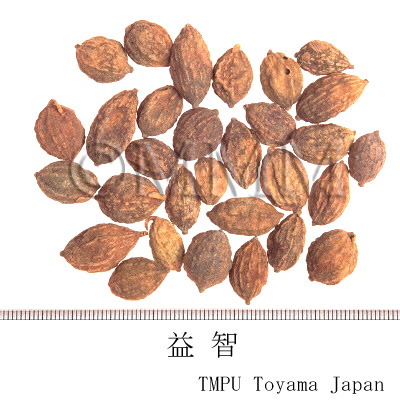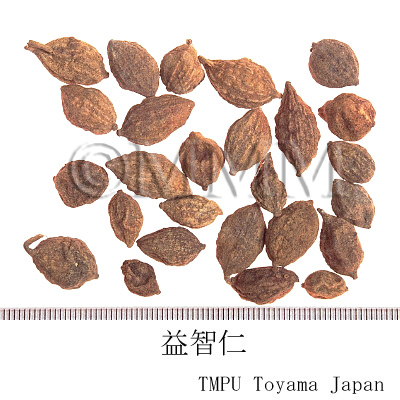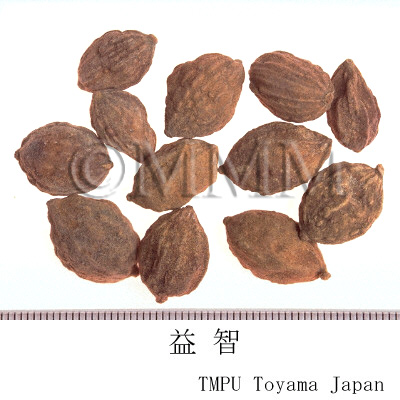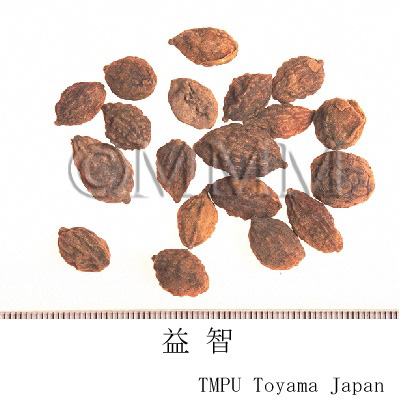

Crude drug sample data base
※Click on the image to enlarge it.
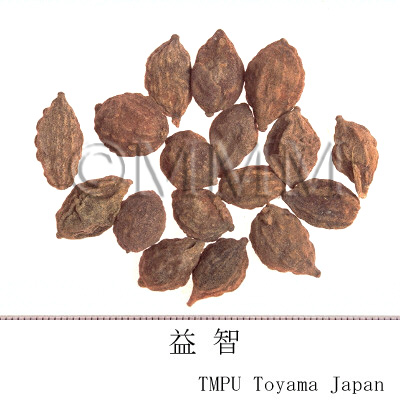
Crude drug name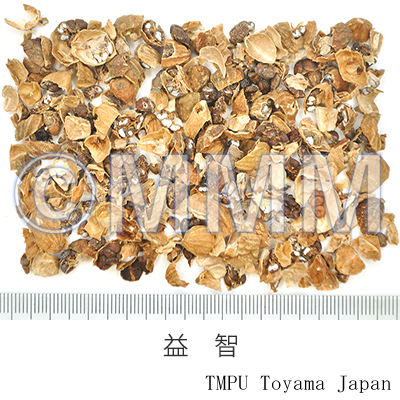 | Market name | 益智 |
|---|---|---|
| Formal name | 益智 | |
| Japanese name | やくち, Yakuchi | |
| Vernacular name | Yizhi | |
| Latin name | Alpiniae Fructus (JP), Alpiniae Oxyphyllae Fructus (CP) | |
| English name | Bitter Cardamon (JP), Sharpleaf Glangal Fruit (CP) | |
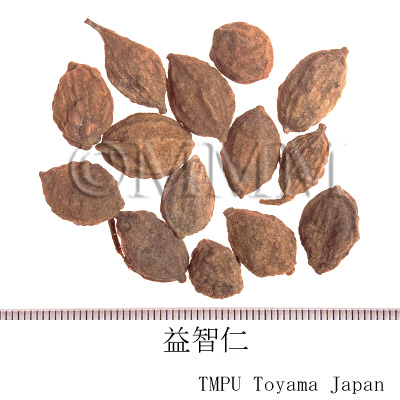
| Other names | 益智仁(果殻を除く) | |
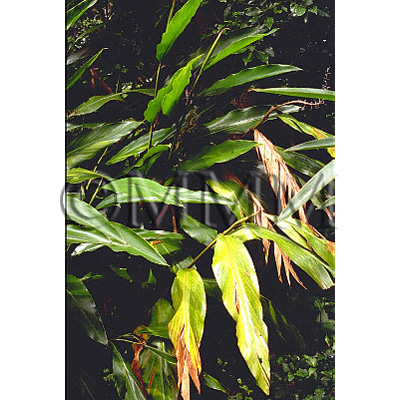
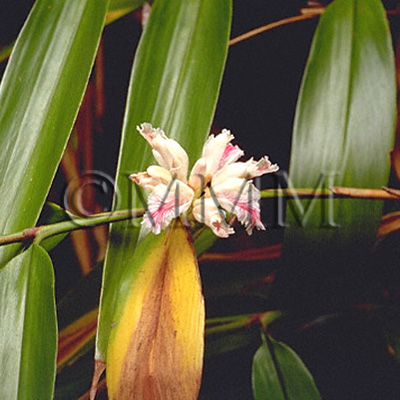
| Original plant name | Alpinia oxyphylla Miq. | |
| Family name | Zingiberaceae | |
| Used part | Classification | Plant origin | Sub classification | mature fruit |
| Production area information | People's Republic of China, Hainan Prov. | |
| Collection information | Japan, Osaka Pref. , Tochimoto Tenkaido Co., Ltd. , Tochimoto Tenkaido Co., Ltd. | |
| Collection date | 2024/09/19 | |
| Collector | Michiko Jo | |
| Remarks | (Lot No. 010623001) Library-2025 | |
| TMPW No. | 32225 | |
The capital city, provincial capital city or the representative
location of its administrative area is indicated.
location of its administrative area is indicated.
20.044412
110.19828600000005
Production area information
People's Republic of China,Hainan Prov.
https://ethmed.toyama-wakan.net/img/pin_san.png
34.6937378
135.50216509999996
Collection information
Japan,Osaka Pref.
https://ethmed.toyama-wakan.net/img/pin_nyu.png
Scientific information data base
| Common name | 益智, Yizhi, Alpiniae FructusJP, Alpiniae Oxyphyllae FructusCP, Bitter CardamonJP, Sharpleaf Glangal FruitCP | |||||
|---|---|---|---|---|---|---|
| Synonyms | 益智仁(果殻を除く) | |||||
| crude drug image |
| |||||
| Original plant name | Alpinia oxyphylla Miquel | |||||
| original plant image |
| |||||
| Family name | Zingiberaceae | |||||
| Used part | mature fruit | |||||
| Quality for selection | The one with large granules, a pale yellow to light yellowish-brown outer surface, and a strong aroma is considered to be of good quality (TN). | |||||
| Official compendium | JP XIX, CP (2025 ed.) | |||||
| Clinical application | It is used as an aromatic stomachic and intestinal remedy for decreased digestive function, diarrhea associated with indigestion, and nervous diarrhea. It is used in the same way as Amomi Semen (縮砂). | |||||
| Medical system | Traditional Chinese medicine | |||||
| Drug effect in traditional medicine | Traditional classification | Replenishing Yang(vital function) drugs | ||||
| Beneficial effect | [Property and Flavor] Warm; pungent. [Meridian Tropism] Spleen and kidney meridians meridians. [Actions] To warm the kidney to secure essence to reduce urination, when the spleen to check diarrhea and constrain spittle. [Indications] Kidney deficiency with enuresis, frequent urination, seminal emission and white turbidity, diarrhea caused by spleen cold, cold pain in the abdomen, dribbling. | |||||
| Chemical constituent | Monoterpenoids (*C1): 1,8-Cineole, beta-Pinene, p-Cymene, Terpinen-4-ol (*C2): Camphor Sesquiterpenoids *C1): Zingiberene, beta-Salinene, beta-Caryophyllene, alpha-Humulene, alpha-Copaene, Nootkatone (*C2): Zingiberol Flavonoids (*C3): tectochrysin, chrysin, izalpinin, 3,5-dihydroxy-7, 4'-dimethoxyflavone Diarylheptanoids (*C1, C2): Yakuchinone A(1-(4'-hydroxy-3'-methoxyphenyl)-7-phenyl-3-heptanone), Yakuchinone B | |||||
| Chemical structure |  
※画像をクリックすると、拡大して表示されます。 | |||||
| Pharmacological effect | Antiulcer (acetone extract, nootkatone) (P1). | |||||
| DNA sequence | AF254463 | |||||
| Classical reference (Chinese Herbal Classic "Zhenglei bencao") | 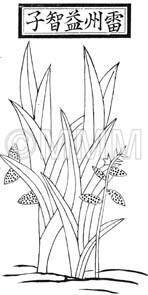 ※Click this image to see the actual image ※Click this image to see the actual image | |||||
| Disease | Abdominal pain, Chill, Dyspepsia, Diarrhea, Anorexia, Slaver, Spermatorrhea, Frequent urination | |||||
| Formulation | rarely used in formula, | |||||
| Related drugs | Amomi Semen | |||||
| References | JP: The 19th edition of the Japanese Pharmacopoeia. CP: Pharmacopoeia of the People's Republic of China 2025 edi. C1 )The Encyclopedia of Wakan-Yaku with Color Pictures Vol. I, pp 238-239. C2) Outline of Pharmacognosy, a Textbook, p 322. C3) Partner Pharmacognosy, p 355. P1) Chem. Pharm. Bull., 38, 3053(1990) | |||||
| Remarks | The medicinal benefit of Yizhi resembles "Buguzhi" (補骨脂, Psoraleae Semen). However, "Buguzhi" acts mostly on kidney, while Yizhi acts mostly on spleen. Impotence due to insufficiency of kidney, and knee and lumbar pain with cold symptoms are incurable with Yizhi. | |||||
| Last renewal date | 2026/07/17 | |||||