
Crude drug sample data base
※Click on the image to enlarge it.
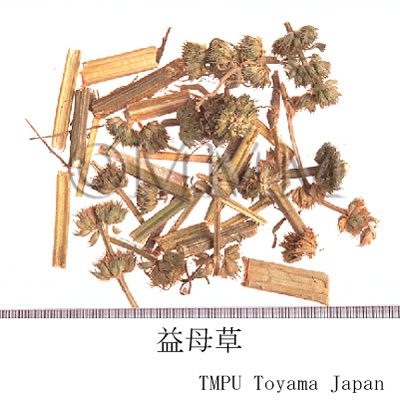
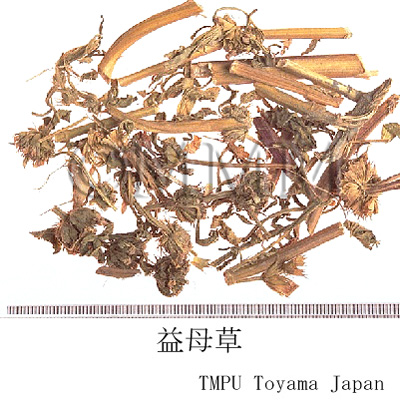
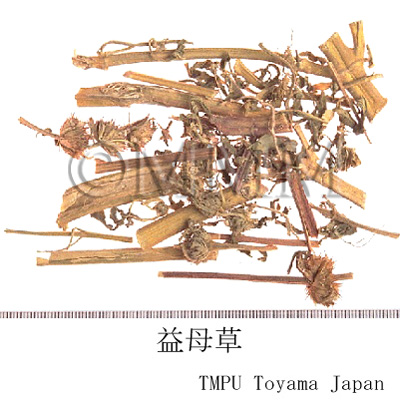
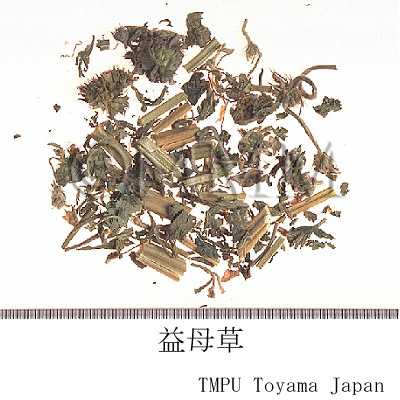
Crude drug name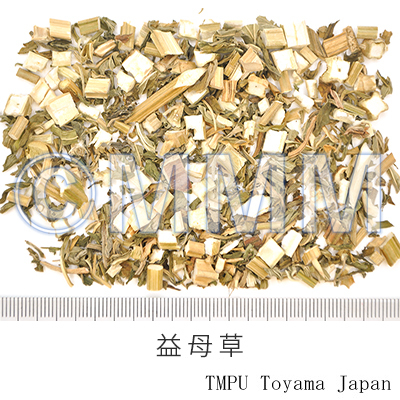 | Market name | 益母草 |
|---|---|---|
| Formal name | 益母草 | |
| Japanese name | やくもそう, Yakumosō | |
| Vernacular name | Yimucao | |
| Latin name | Leonuri Herba (JP), (CP) | |
| English name | Leonurus Herb (JP), Motherwort Herb (CP) | |
| Original plant name | Leonurus japonicus Houtt.1 or Leonurus sibiricus L., (Mehajiki1) | |
| Family name | Labiatae | |
| Used part | Classification | Plant origin | Sub classification | aerial part |
| Production area information | People's Republic of China, Zhejiang Prov. | |
| Collection information | Japan, Osaka Pref. , Tochimoto Tenkaido Co., Ltd. , Tochimoto Tenkaido Co., Ltd. | |
| Collection date | 2024/09/19 | |
| Collector | Michiko Jo | |
| Remarks | (Lot No. 022424001) Library-2025 | |
| TMPW No. | 32226 | |
The capital city, provincial capital city or the representative
location of its administrative area is indicated.
location of its administrative area is indicated.
30.274084
120.15507000000002
Production area information
People's Republic of China,Zhejiang Prov.
https://ethmed.toyama-wakan.net/img/pin_san.png
34.6937378
135.50216509999996
Collection information
Japan,Osaka Pref.
https://ethmed.toyama-wakan.net/img/pin_nyu.png
Scientific information data base
| Common name | 益母草, Yimucao, Leonuri HerbaJP,CP, Leonurus HerbJP, Motherwort HerbCP | ||||||
|---|---|---|---|---|---|---|---|
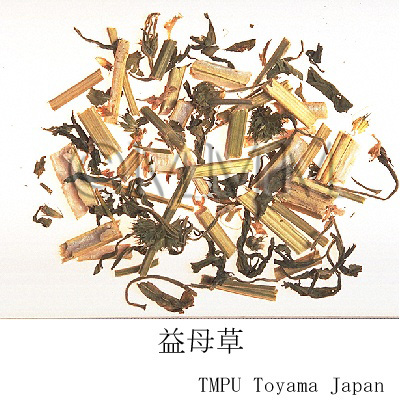
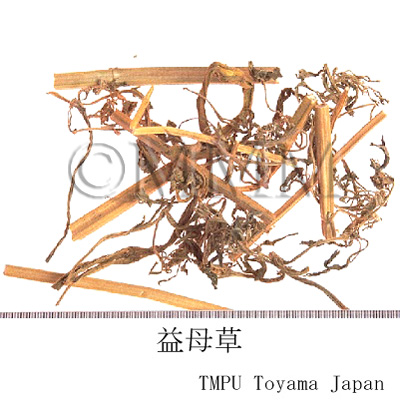
| crude drug image |
| ||||||
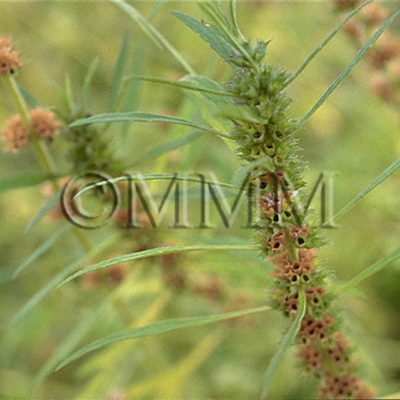
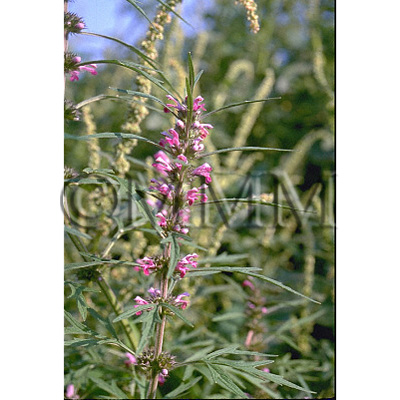
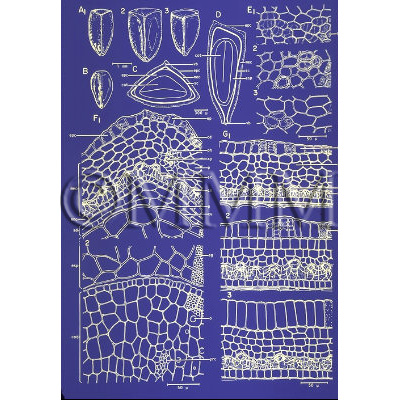
| Original plant name | Leonurus japonicus Houttuyn1 or Leonurus sibiricus Linn.2, (Mehajiki1 or Hosobamehajiki) | ||||||
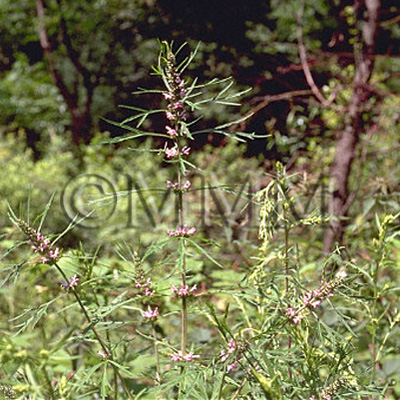
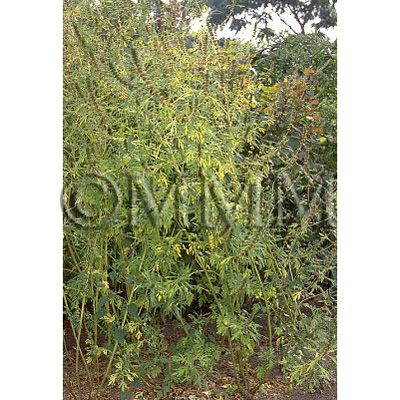
| original plant image |
| ||||||
| Family name | Labiatae | ||||||
| Used part | aerial part | ||||||
| Quality for selection | Preferably, fresh one with a bluish color is considered to be of good quality (NI). | ||||||
| Official compendium | JP XIX, CP (2025 ed.) | ||||||
| Clinical application | It is used as an emmenagogue and diuretic for gynecological disorders such as menstrual irregularities, dysmenorrhea, persistent lochia after childbirth, postpartum neurosis, and premenstrual abdominal pain. It is also used for contusions and acute glomerulonephritis. | ||||||
| Medical system | Traditional Chinese medicine | ||||||
| Drug effect in traditional medicine | Traditional classification | Drugs for invigorating blood circulation | |||||
| Beneficial effect | [Property and Flavor] Mild cold; bitter, pungent. [Meridian Tropism] Liver, pericardium and bladder meridians. [Actions] To activate blood and regulate menstruation, disinhibit urine and disperse swelling, clear heat and remove toxin. [Indications] Menstrual irregularities, dysmenorrhea and amenorrhea, persistent flow of the lochia, edema and small quantity of urination, sore and ulcer, swelling and toxin. | ||||||
| Chemical constituent | Flavones & Flavonols (*C1): Rutin Other nitrogen compounds (*C1): Leonurine, Leonurinine, Leonuridine, Stachydrine | ||||||
| Chemical structure | 
※画像をクリックすると、拡大して表示されます。 | ||||||
| Pharmacological effect | Uterine contraction (leonurine, water extract), respiratory excitation, accelerated blood clotting (water extract). | ||||||
| Classical reference (Chinese Herbal Classic "Zhenglei bencao") | 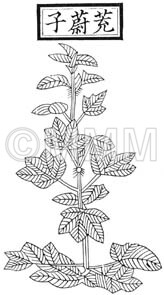 ※Click this image to see the actual image ※Click this image to see the actual image | ||||||
| Disease | Irregular menstruation, Menorrhalgia, Amenorrhea, Hyperemesis after childbirth, Lochiometra, Irregular vaginal bleeding, Dystocia, Retention of the placenta, Hypertension, Swelling and pain due to contusion, Acute nephritis, Edema, Oliguria, Mastitis, Pyogenic dermatosis | ||||||
| Formulation | Kyukichoketsuin | ||||||
| Related drugs | Leonuri Fructus | ||||||
| References | JP: The 19th edition of the Japanese Pharmacopoeia. CP: Pharmacopoeia of the People's Republic of China 2025 edi. C1)The Encyclopedia of Wakan-Yaku with Color Pictures Vol. II, pp 50-51. | ||||||
| Remarks | Chongweizi (茺蔚子, Leonuri Fructus) is the fruit of Leonurus japonicus Houttuyn (Jap. name: Mehajiki) or Leonurus sibiricus L. (Jap. name: Hosomehajiki). Both aerial parts and fruits are effective in promoting blood circulation to regulate menstruation and postpartum care. | ||||||
| Last renewal date | 2026/07/17 | ||||||