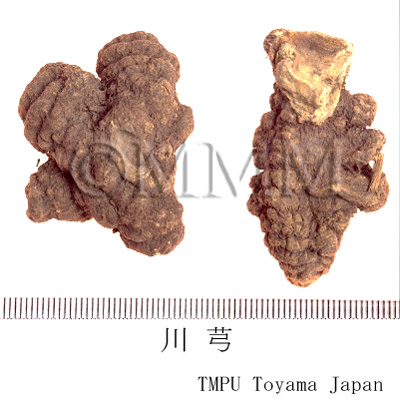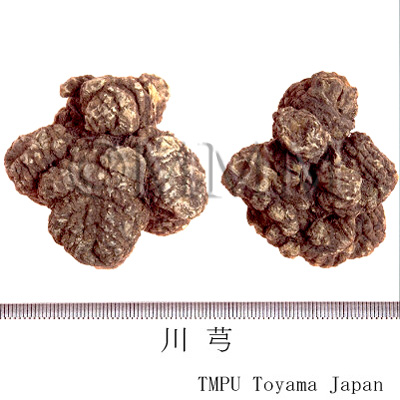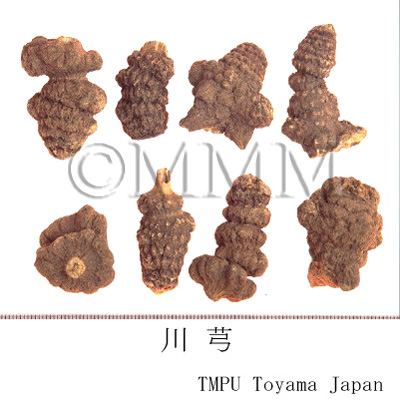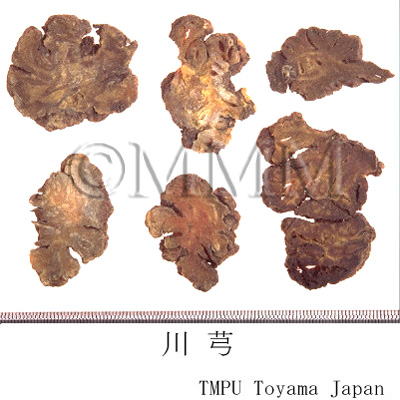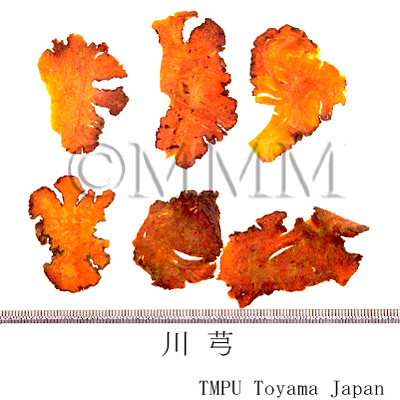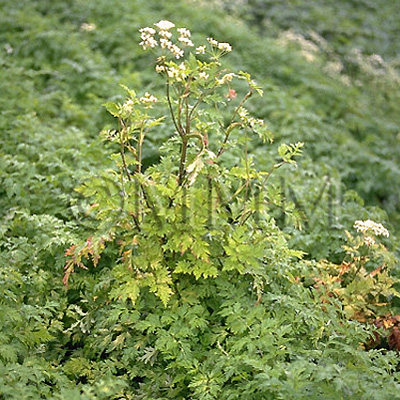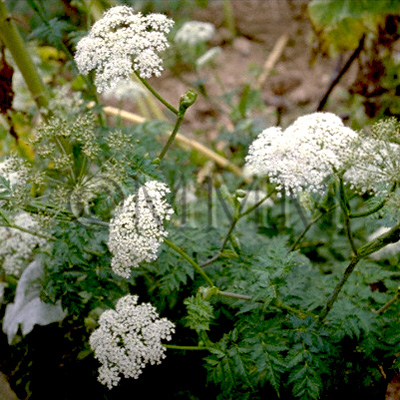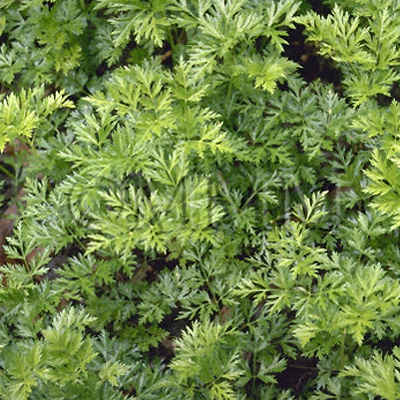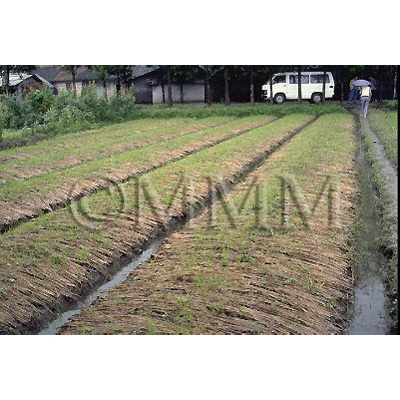

Crude drug sample data base
※Click on the image to enlarge it.
Crude drug name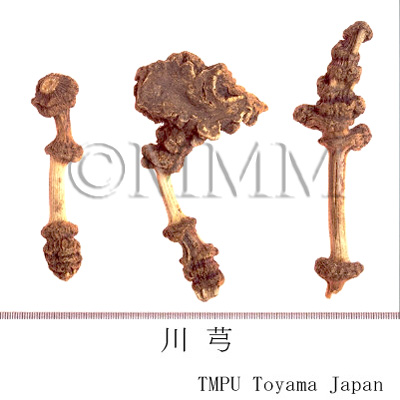 | Market name | 川芎 |
|---|---|---|
| Formal name | 川芎 | |
| Japanese name | せんきゅう, Senkyū | |
| Vernacular name | Senkyū | |
| Latin name | Cnidii Rhizoma (JP) | |
| English name | Cnidium Rhizome (JP) | |
| Original plant name | Cnidium officinale Makino, (Senkyū) | |
| Family name | Umbelliferae | |
| Used part | Classification | Plant origin | Sub classification | rhizome |
| Production area information | Japan | |
| Collection information | Japan, Hokkaido Pref. | |
| Collection date | 1982/10/01 | |
| Collector | Masayuki Mikage | |
| TMPW No. | 992 | |
The capital city, provincial capital city or the representative
location of its administrative area is indicated.
location of its administrative area is indicated.
Production area information
Japan
https://ethmed.toyama-wakan.net/img/pin_san.png
43.0620958
141.3543763
Collection information
Japan,Hokkaido Pref.
https://ethmed.toyama-wakan.net/img/pin_nyu.png
Scientific information data base
| Common name | 川芎, Chuanxiong, Cnidii RhizomaJP, Chuanxiong RhizomaCP, Cnidium RhizomeJP, Szechwan Lovage RhizomeCP | ||||||
|---|---|---|---|---|---|---|---|
| Synonyms | 仙台川芎 | ||||||
| crude drug image |
| ||||||
| Original plant name | Cnidium officinale Makino1, Ligusticum chuanxiong Hortorum2, (JP products: Senkyū1, CN products2) | ||||||
| original plant image |
| ||||||
| Family name | Umbelliferae | ||||||
| Used part | rhizome | ||||||
| Quality for selection | Those that are large, with dark brown outer skin, a yellowish-white interior, and an intensely pungent taste, are considered to be of good quality (NI). | ||||||
| Official compendium | JP XIX, CP (2025 ed.) | ||||||
| Clinical application | It is used as a blood-nourishing, tonic, sedative, analgesic, and blood stasis-resolving agent for conditions such as sensitivity to cold, anemia, and menstrual disorders. | ||||||
| Medical system | Traditional Chinese medicine | ||||||
| Drug effect in traditional medicine | Traditional classification | Drugs for invigorating blood circulation | |||||
| Beneficial effect | [Property and Flavor] Warm; pungent. [Meridian Tropism] Liver, gallbladder and pericardium. [Actions] To activate blood, move qi, dispel wind, and relieve pain. [Indications] Chest impediment with heart pain, stabbing pain in the chest and the hypochondrium, swelling and pain caused by traumatic injuries, menstrual irregularities, amenorrhea and dysmenorrhea, abdominal pain and masses, headache, painful impediment caused by wind-dampness. | ||||||
| Chemical constituent | Phenylpropanoids L. chuanxiong (*C1): Ferulic acid C. officinale (*C1): Coniferyl ferulate, Ferulic acid Phthalides L. chuanxiong (*C1): 3-Butylidene-7-hydroxyphthalide, cis-6,7-Dihydroxyligustilide, trans-6,7- Dihydroxyligustilide, Wallichilide, Butylphthalide, Butylidenephtalide, Ligustilide, Senkyunolide A, Neocnidilide C. officinale (*C1): Cnidilide, Ligustilide, Neocnidilide, Butylphtalide, Sedanonic acid anhydride, Senkyunolide A, Senkyunolide B, Senkyunolide C, Senkyunolide D, Senkyunolide E, Senkyunolide F, Senkyunolide G, Senkyunolide H, Senkyunolide I, Senkyunolide J Phenol derivatives C. officinale (*C1): Vanillin Alkaloids L. chuanxiong (*C1): 油状のアルカロイド [oily alkaloids] Other nitrogen compounds L. chuanxiong (*C1): Tetramethylpyrazine C. officinale (*C1): Tetramethylpyrazine | ||||||
| Chemical structure |   
※画像をクリックすると、拡大して表示されます。 | ||||||
| Pharmacological effect | Sedative effects (aqueous and ether extracts); promotion of estrus (extract); irritation of the skin and mucous membranes (oil of Cnidii Rhizoma, topical application); effects on the vasomotor and respiratory centers (Chinese oil of Cnidii Rhizoma: stimulation at low doses and inhibition at high doses); central muscle-relaxant and smooth muscle-relaxant effects (ligustilide). | ||||||
| DNA sequence | D83027, D44586, D83028, D44572, U78388, U78448 | ||||||
| Classical reference (Chinese Herbal Classic "Zhenglei bencao") | 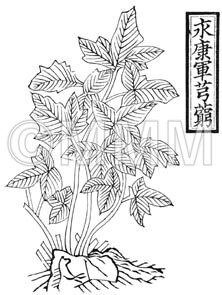 ※Click this image to see the actual image | ||||||
| Disease | Irregular menstruation, Menorrhalgia, Amenorrhea, Dystocia, Retained placenta, Chest pain, Pain of lateral sides of trunk, Anginal pain, Pyogenic dermatosis, Swelling and pain due to contusion, Headache, Swelling and pain of joint | ||||||
| Formulation | Ifuto, Uyakujunkisan, Unkeito, Unseiin, Ekkiyoeito, Kagawagedokuzai, Kagenhachimotsuto, Katsuketsugedokuto, Katsuketsusan'oto, Kakkontokashin'isenkyuto, Kamishimotsuto, Kamishoyosangoshimotsuto, Kamihassento, Kikyogedokuto, Kibanto, Gyakubanto, Kyukikyogaito, Kyukichoketsuin, Kyukihochuto, Kyoseihatekigan, Kufushokutsuto, Keigairengyoto, Keigairengyoto, Kokikososan, Kokyuto, Kokonrokukenzokumeito, Goshakusan, Gomotsudaioto, Saikoshimotsuto, Saikoseikansan, Saikosokanto, Sansoninto, Shikonboreito, Jijintsujito, Jijinmeimokuto (Jinkimeimouto), Shisowakiin, Shichimotsukokato, Shimotsuto, Shimotsutokakibansetsuketsumei, Shimotsutokakkekagen, Shaito, Juzentaihoto, Jumizasan, Jumihaidokuto, Jurokumiryukiin, Junhaito, Shozokumeito, Jokinritsuansan, Shin'isan, Jinkimeimokuto, Seijokentsuto, Seijobofuto, Seineitsugeutsuto, Seinetsuhoketsuto, Sesshoin, Senkanmeimokuto, Senkyuchachosan, Zokumeito, Sokeikakketsuto, Daizokumeito, Daibyakuchuin, Daibofuto, Jidabokuippo, Jizusoippo, Chimobukuryoto, Choreitogoshimotsuto, Tokiinshi, Tokisan, Tokishakuyakusanmatsu, Tokishakuyakusanryo, Tokiyoketsuto, Dokkatsukiseito, Naitaku-san, Naitaku-san, Nyoshinsan, Haidokuto, Hachimitaikaho, Hachimotsuto, Hacchinto, Bofutsushosan, Hojinto, Botanpisan, Hontonto, Hontonto, Hontonbukuryoto, Yokukansan, Yokukansankachinpihangeto, Yokukansankachinpihangeto, Ryutan-shakan-to, Reiyoukakuin, Rengyoto, Rengyoto, Renjuin, Rokuutsuto | ||||||
| References | JP: The 19th edition of the Japanese Pharmacopoeia. CP: Pharmacopoeia of the People's Republic of China 2025 edi. C1) The Encyclopedia of Wakan-Yaku with Color Pictures Vol. I, pp 23-24. | ||||||
| Remarks | The Japanese Pharmacopoeia defines it as the rhizome of C. officinale. | ||||||
| Last renewal date | 2026/10/09 | ||||||